
Hormone Replacement Therapy for Men
Are You Suffering From...
- Low Energy
- Low Libido
- Sleep and/or Mood Issues
- More Body Fat & Less Muscle Mass
- Metabolic Issues
If this is the case, it might be due to low testosterone and other low levels of life-giving hormones essential to maintain vitality. There are hormonal treatments that can transform your life forever.
Testosterone Replacement Therapy Can Be Life-Saving
As men age, they lose precious hormones which help maintain total vitality. This is called male andropause (hypogonadism), and men experience this at differing ages and degrees; just like women. Replacement of low testosterone and other low levels of life-giving hormones not only restores youth and vigor.
It confers probable medical benefits such as:
- Decreased incidence of heart disease
- Decreased risk of prostate cancer
- Decreased risk of Alzheimer’s
- Reversal of metabolic syndrome

Benefits of Testosterone Replacement Therapy
The male hormones which decline most noticeably are testosterone, human growth hormone and DHEA. Other hormones which decline with age include thyroid hormone, progesterone, melatonin and more! We measure and then precisely replace these hormones to youthful levels with the following results:
Increased lean body mass
Decreased body fat
Increased energy & exercise results
Fewer wrinkles - you'll look younger!
Improved sexual performance & libido
Improved memory & concentration
Improvement in sleep
Improved mood & feelings of well-being
Are you ready to transform your life?
Bioidentical Hormone Replacement therapy with testosterone can be Life-saving!




What Patients Are Saying...
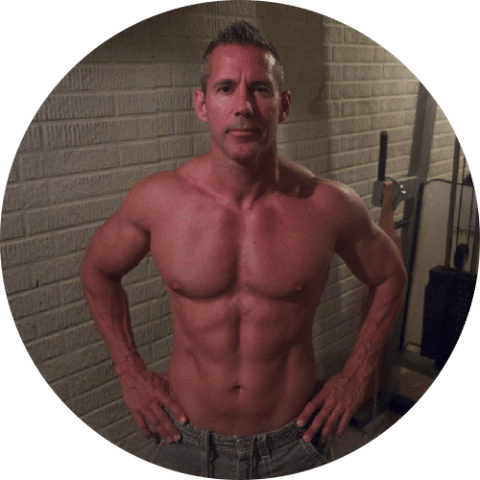
I have been a patient of Dr. Kim’s for many years and can’t imagine life without her to be perfectly honest. Not only does she keep me healthy by monitoring all of my biomarkers, hormones and so on, but now I’m able to take advantage of her knowledge of peptides, as well as everything else.
Unlike most of her patients, I had heard that she was a tri-athlete and fitness center owner when I first contacted her, and figured she would know a little something about safe bodybuilding. I gave her this picture, saying “I look like this because of you” because it’s absolutely true. For any guy looking to build a safe, healthy, muscular body, Dr. Kim is a treasure trove of knowledge. I know other guys who risk their health to look great in the gym and that’s just plain insanity. Call Dr. Kim – you can tell her anything, and she’ll figure out how to help you reach your fitness goals safely.

Dr. Kim is a detailed and marvelous physician who is not just great at what she does, she is truly one of the most brilliant people I have ever met. I rest easy at night, knowing she takes great care of me. I am still feeling as if I’m 30!

I’d like to recommend Dr. Kim to anyone who wants to have 100% personal medical care, unlimited and direct access to your doctor (who else even does this?) and the smartest doctor I’ve ever met at your service. Dr. Kim has kept me younger than my years physically, mentally and dare I say sexually for more than a decade. I don’t worry about aging as long as I have Dr. Kim’s advice and care.
Frequently Asked Questions
Hormonal changes occur with aging, but declining energy, loss of muscle mass, increased body fat, sleep disruption, reduced libido, and changes in mood or memory are absolutely not inevitable. Testosterone plays an important roles in men's health, affecting many bodily functions, as do a few other key hormones. in the body. I evaluate testosterone, along with other hormone levels, symptoms, and possible underlying causes of hormonal imbalance to determine whether bioidentical hormone replacement and other treatments can help diminish or, hopefully, eliminate symptoms, restore vitality, improve overall health, and support healthy aging.
Don't see your question? Ask Dr. Kim Crawford!
Why are hormones so important for men?
Hormones are chemical messengers that regulate pretty much every system in the body. They can be adjusted to positively influence metabolism, energy production, muscle development, bone density, brain health (including mood), sleep quality, sexual function, and immune regulation. Although testosterone is the primary male sex hormone we know, other hormones can be as important for maintaining optimal health.
What hormones decline in men as they age?
Testosterone deficiency is the most well-known hormone to decline in men, but it is certainly not the only one. Human growth hormone (HGH), DHEA, and melatonin also diminish with aging, while other hormones, such as progesterone and thyroid hormones, may become imbalanced (mostly decreased) as well. These hormones can all affect metabolism, muscle and fat mass, brain function, sleep quality, immune function, and overall health. Dr. Crawford measures these hormones to help identify hormone imbalances that may contribute to bothersome symptoms, and she provides treatment options beyond testosterone replacement alone. Note: In contrast with other hormones, estrogen levels in men may increase with age, causing belly fat, “man boobs,” mood issues, erectile dysfunction, and decreased libido; sometimes with normal testosterone levels.
What is testosterone, and what does it do?
Testosterone is the primary male sex hormone, produced mainly by the testes, directed by the pituitary gland and hypothalamus. It is, of course, essential for sexual and reproductive functions, but its effects are felt all through the body. Testosterone helps to maintain muscle mass, bone density, energy levels, libido (sex drive), cognitive function, mood, and metabolism.
What are the symptoms of low testosterone?
Low testosterone (“hypogonadism”), can cause a wide variety of symptoms, including:
- Decreased energy and even persistent fatigue
- Reduced libido and, in some, erectile dysfunction
- Loss of muscle mass and increased body fat
- Poor sleep quality
- Depression, irritability, anxiety, reduced motivation or other mood changes
- Brain fog, difficulty concentrating, reduced speed of thought
- Reduced exercise tolerance
- Decreased bone density
Remember: Symptoms do not establish a diagnosis. Blood testing after a thorough medical evaluation is necessary.
What causes testosterone levels to decline?
Testosterone levels generally decline gradually with age, a process we call andropause, much like female menopause. However, many other issues can lower “T” levels. Excess body fat, insulin resistance, diabetes, chronic inflammation, medications, Excessive stress or body fat, pituitary dysfunction, testicular disorders, trauma, toxins, and chronic illness can all cause low testosterone.
Importantly, some underlying causes are reversible. Dr. Crawford evaluates all of these factors before determining whether testosterone replacement is necessary.
What are the benefits of testosterone replacement therapy?
When testosterone deficiency is treated correctly, men usually experience improvements in energy, sexual function, muscle mass, overall body composition, mood, cognitive function, and even bone density.
Treatment is individualized, aiming to restore appropriate hormone levels of testosterone and estradiol and improve symptoms without the need for excessive levels.
What is bioidentical hormone replacement therapy for men?
Bioidentical hormone replacement therapy uses hormones that are chemically identical to those which are produced by the body. Testosterone is available in several formulations, including injections, topical creams, and gels.
Treatment may also involve addressing deficiencies in other hormones, depending on someone’s symptoms and laboratory findings. Dr.Crawford’s goal is to restore hormonal balance rather than simply prescribe testosterone to every man experiencing what they identify as testosterone deficiency symptoms.
Does testosterone replacement increase the risk of heart disease or prostate cancer?
This is one of the most common concerns men have about testosterone therapy. Current research does not support the older assumption that appropriately prescribed testosterone replacement necessarily increases cardiovascular risk. The TRAVERSE trial found no significant difference in major adverse cardiovascular events between testosterone therapy and placebo in men with hypogonadism and existing cardiovascular risk factors.
Testosterone therapy has not been shown to cause prostate cancer, although it can possibly increase PSA levels and requires appropriate prostate monitoring.
Can testosterone replacement affect fertility?
Yes, absolutely. Testosterone replacement suppresses the pituitary signals (LH and FSH) needed for normal sperm production, reducing both sperm counts and fertility. For this reason, Dr. Crawford prefers to use other testosterone-boosting methods to help men who wish to have children.
Medications such as clomiphene or hCG, or peptides such as Kisspeptin, may help stimulate the body’s own testosterone production while preserving fertility.
What are the possible side effects of testosterone replacement?
Potential side effects of testosterone therapy include fluid retention, erythrocytosis (increased red blood cell count), acne, and decreased sperm production. Testosterone can also exacerbate untreated sleep apnea.
Correct dosing and monitoring of testosterone, estradiol, red blood cell count (hematocrit), PSA, and other relevant laboratory tests help to minimize any risks and ensure appropriate treatment.
Does low testosterone cause erectile dysfunction?
This isn’t necessarily an urban myth, but it’s not the problem everyone thinks it is. Although yes, testosterone deficiency can contribute to reduced libido and sometimes erectile dysfunction, most cases of erectile dysfunction are related to vascular disease, medications, inflammatory illness or diabetes.
Dr. Crawford always determines the underlying cause or causes of everything she treats. She can easily determine whether testosterone replacement, other treatments, or a combination is appropriate. Other treatments she offers include medications such as sildenafil (Viagra) and tadalafil (Cialis), as well as the peptide, PT-141, which works through a different pathway to support sexual desire and arousal.